When Attention Comes Back
A farmhouse, a few quiet days, and what becomes visible when attention returns.

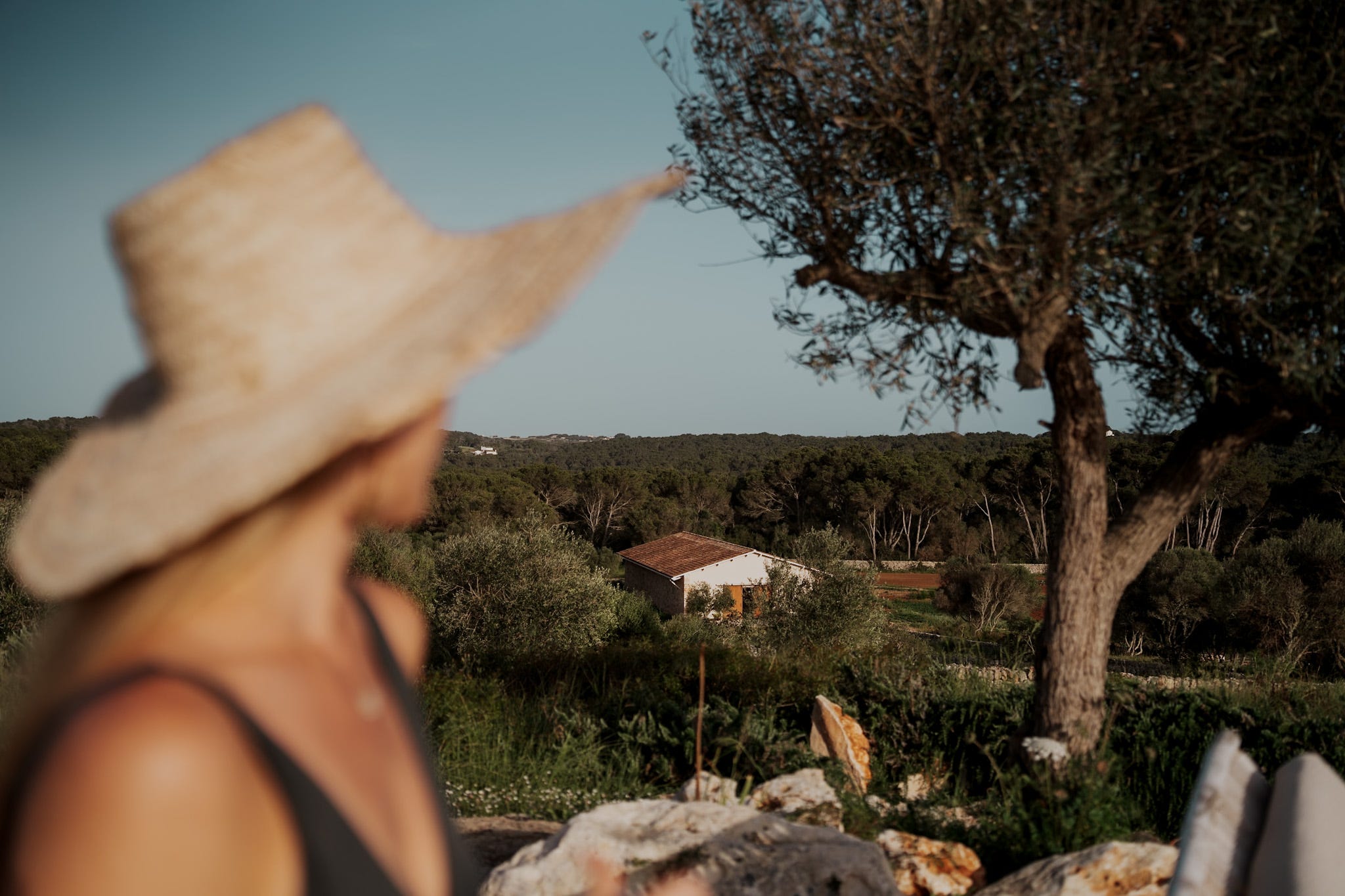
I landed in Menorca for the first time in late April and went straight to a farmhouse, and everything about it felt different from the version of the island I had known before. The airport was almost empty, the roads were quiet, there were only a few guests, and there was a spaciousness to the entire environment that I hadn’t experienced here in other seasons. It took a few days for my system to settle into that.
There’s always a delay between arriving somewhere and actually registering it. At first I was moving through the space in a functional way, unpacking, orienting, figuring out where things were, and then my attention started to land. Once it did, the level of detail available changed completely.
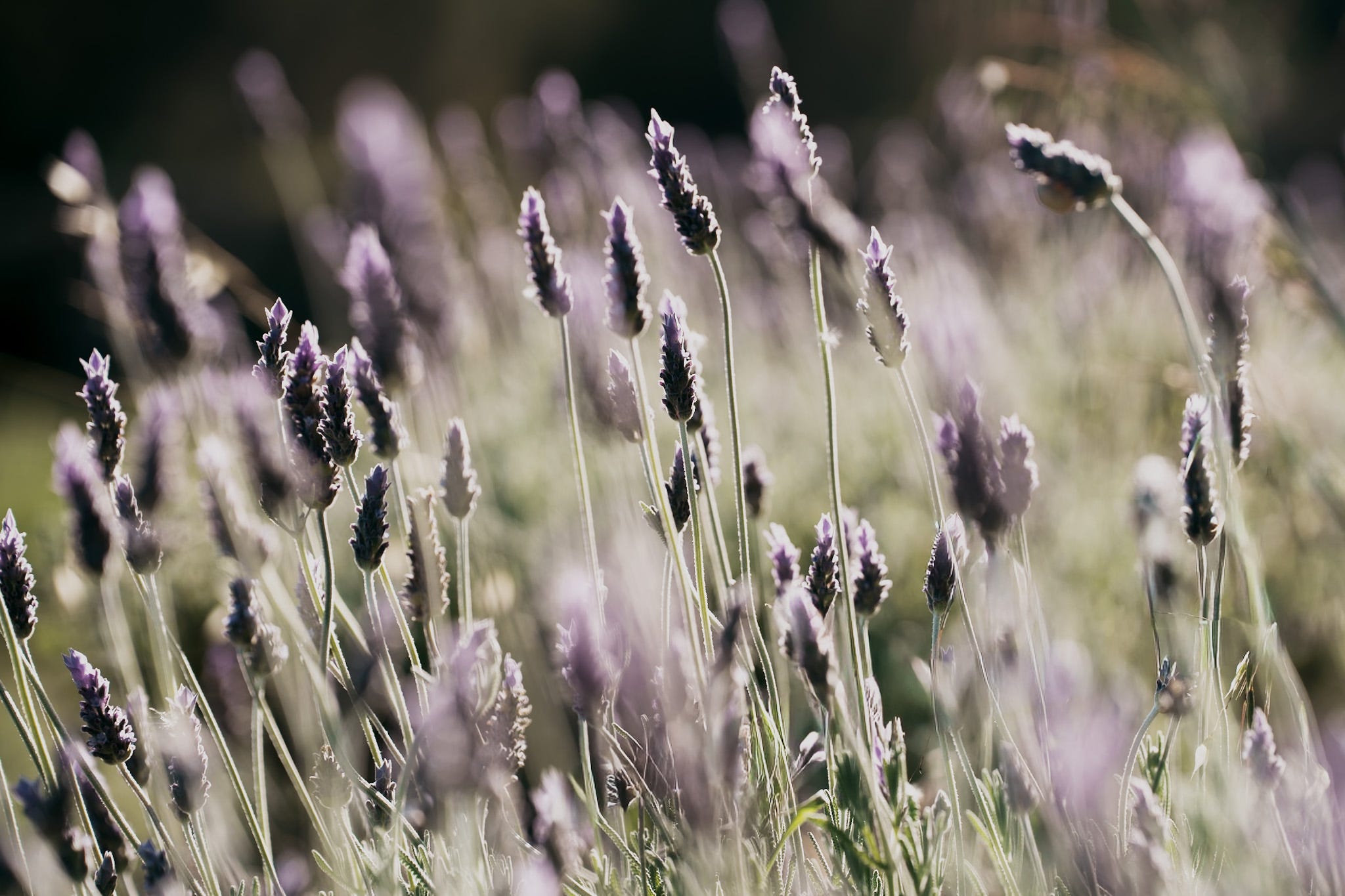
The land felt specific to this season. In autumn, there were plumes of purple grass, almost like a haze, across the fields, and this time everything was smaller, more intricate, and scattered. Tiny flowers everywhere, many of them medicinal, growing without any effort, and we started looking closely at each one, identifying them, seeing their shapes, their colors, the way they grew in clusters. Tall poppies moved through the fields, sheep still carried the weight of their wool, and the landscape revealed itself through those details.
Nothing about the environment needed to change. My attention did.
At the same time, I could feel how conditioned I’ve become to input. Even in that level of stillness, there was an instinct to reach for my phone, to share what I was seeing, to translate it into something immediate, to place it somewhere else while it was still happening. That instinct runs in parallel with how I want to live and how I work.
Around the same time, I started listening to Dr. Anna Lembke’s masterclass on dopamine, and it clarified something I had already been sensing. Dopamine drives pursuit and engagement. It is part of what makes novelty feel compelling, part of what pulls us toward the next image, the next message, the next place. When that system is fed too often through easy rewards, the brain adjusts. The threshold for interest moves.
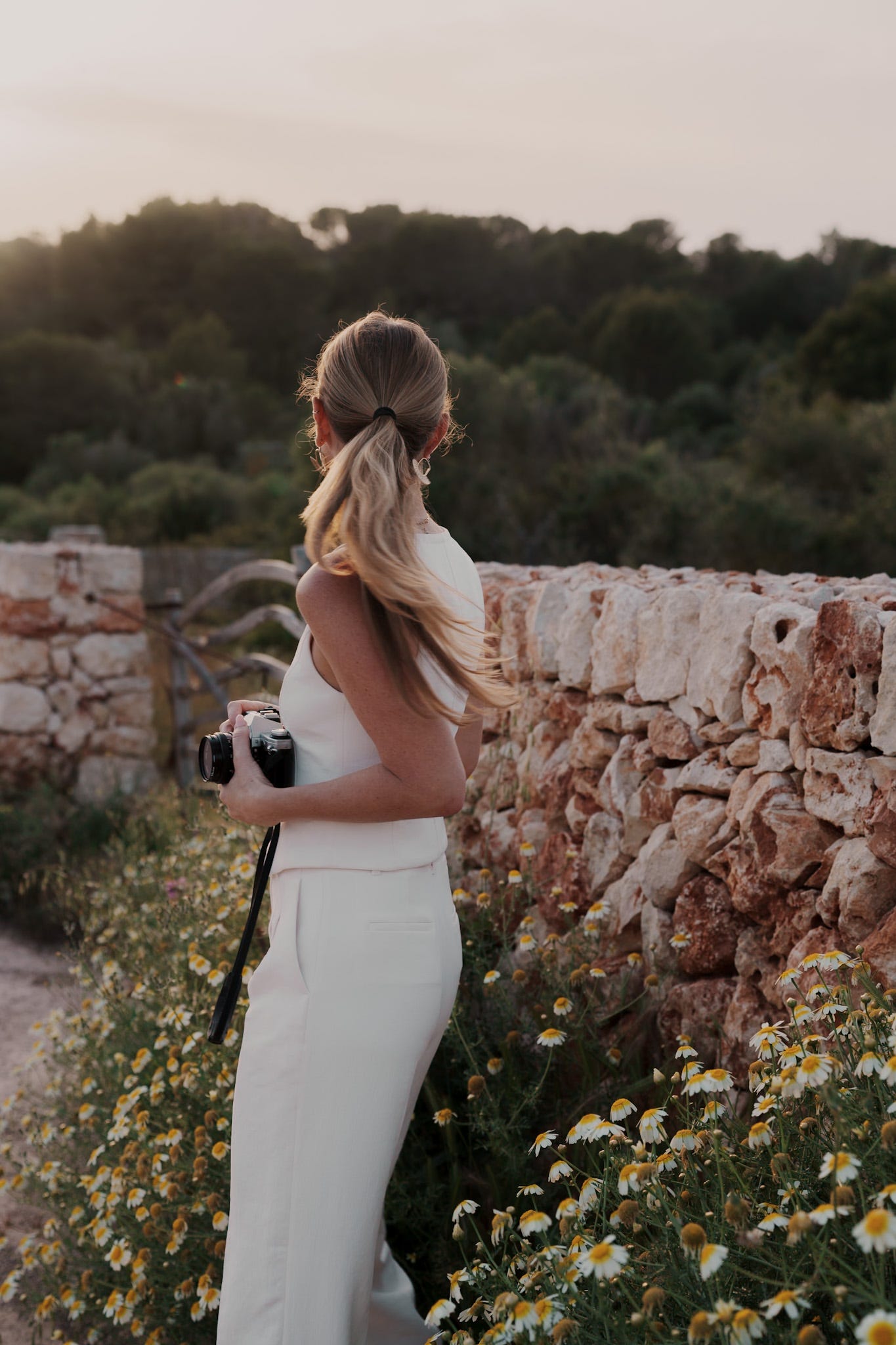
Because I still believe in the dopamine of discovery. New landscapes, unfamiliar light, different seasons, the way travel sharpens perception and makes the world feel vivid. That form of novelty has shaped my life and my work.
But there is another version of novelty that does the opposite. The cheap version. The one that keeps attention moving without deepening it. The next scroll, the next story, the next small hit of input.
It mimics discovery while hollowing out the capacity for it.
That is the friction I feel inside my own life.
My work asks me to stay with things. To look longer. To let a place become legible. To make photographs from attention rather than appetite. But the same tools I use to share the work can pull me out of the state the work requires. I can be standing in it, fully inside the scene, and part of my mind is already translating the moment into a post, a caption, a fragment of proof.
That is the part I want to interrupt.
I’m writing this now from the Tramuntana in Mallorca, and the past few days have given me another version of the same lesson. I’ve been inside while it rains, layered up near the heater, staying in town without a car, speaking very little, consuming less, letting the days become small enough for contemplation to return.
In that space, I can feel how much has been waiting.
Thoughts that needed room. Experiences that needed time. The residue of the last season. The speed of moving from one place to another. The constant translation of life into language, image, message.
Because attention is the material of my work.
Photography depends on it. Writing depends on it. Perception depends on it. The way I live depends on whether I can remain with what I am experiencing.
So I’ve been stepping back from constant input. Less social media, less ambient consumption, fewer interruptions, and more time inside a single place, watching what happens when the reflex to reach has less to attach to.
What becomes visible when the day has fewer interruptions?
That is what interests me now.
x Anna